
Our Story
We are equity designers and people of color. We are a think/do tank. We work with individuals and institutions and our process can be applied to almost every sector -- everyone needs good design and design is only as good as it is equitable. Learn more about us and our team in this video.
Our Core Values
See, Be Seen, Foresee.See
Historical Context
The past is present - in people, things and systems of oppression. The past was designed, and the present is begin designed. We are all designers.Be Seen
Radical Inclusion
The problems of equity work - racism, sexism, classism, homophobia, etc - are rooted in our distance, our single stories and our habits of exclusion. Radical inclusion is the intentional act of interrupting inequity where it lives - our separations. Recognizing the multiplicity of stories, truths and their proximities, their intersections, and the people who own the stories are requisites of equity design work.Foresee
Process as a Product
Equity is a verb. It is the process, not an end point. When designing, both the ends and the means matter. We can’t model the future on the past; we need to live the future we want today.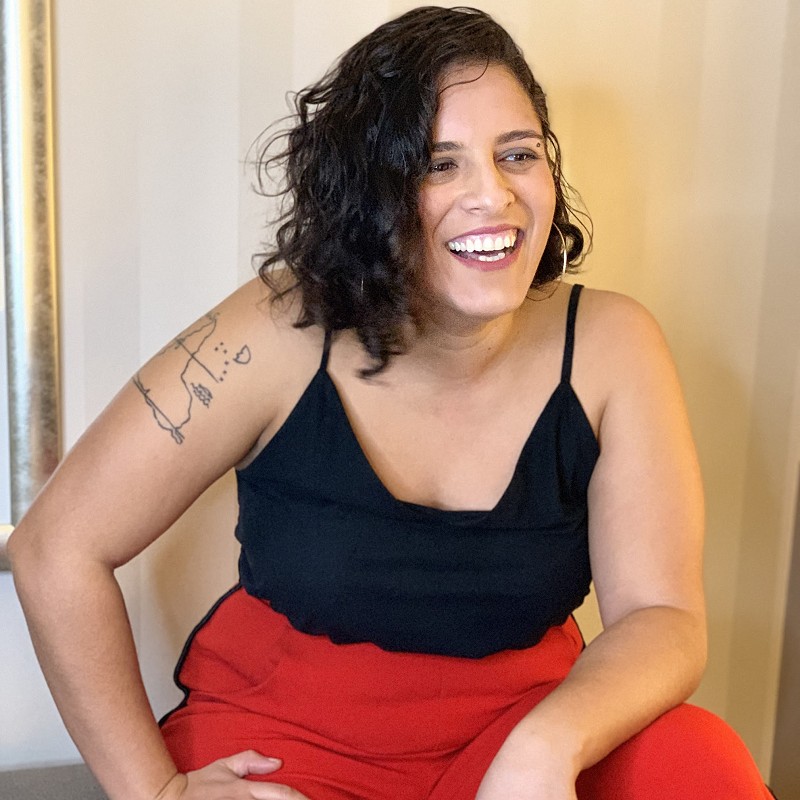
Three identity adjectives:
Entrepreneur, Latina, Great-Granddaughter
What quote/concept has had the biggest impact on how you think about/do equity?
América Invertida, by Joaquín Torres García. I have this image tattooed on my arm. Read More.
What is the most important lesson you've learned so far through your equity work?
I always have to start with my self.
What is the problem you're most dedicated to trying to solve?
Making it easier for folks to live their values.
Something fun:
When travelling in a foreign country with friends and no cell service, we got separated. They said they found us again because they could hear my laugh. This was not the first or last time I’ve been identified by my laugh.
Three identity adjectives:
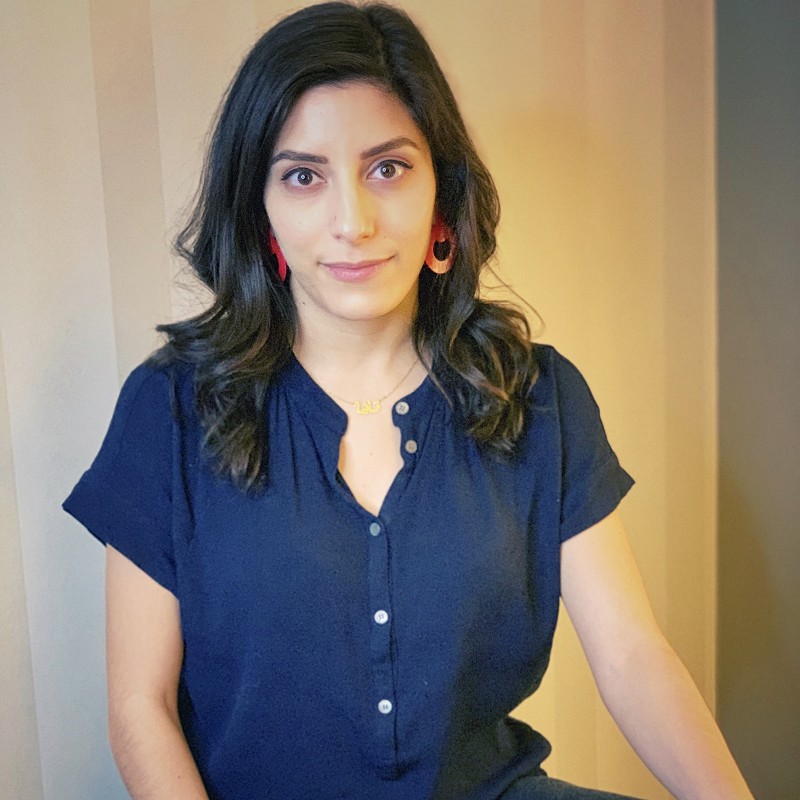
Designer, Lebanese-American, descendent of mountain women
What quote/concept has had the biggest impact on how you think about/do equity?
“If you have come to help me, you are wasting time. But if you have come because your liberation is tied up with mine, then let us work together.” - Aboriginal activists group, Queensland, 1970s
What is the most important lesson you've learned so far through your equity work?
That the secret to doing this work with joy and empathy for the long-term is to have fun working with people you love and deeply invest in self-care. “Caring for myself is not self-indulgence. It is self-preservation, and that is an act of political warfare.” - Audre Lorde
What is the problem you're most dedicated to trying to solve?
Applying and teaching design as a tool for liberation.
Something fun:
All of mine are inappropriate.

Three identity adjectives:
Latina, Thinker, Friend
What quote/concept has had the biggest impact on how you think about/do equity?
“For the master's tools will never dismantle the master's house. They may allow us temporarily to beat him at his own game, but they will never enable us to bring about genuine change.” - Audre Lorde
What is the most important lesson you've learned so far through your equity work?
Vulnerability is a prerequisite for innovation.
What is the problem you're most dedicated to trying to solve?
Helping organizations measure what matters most. To deepen understanding and promote continuous learning.
Something fun:
Ask me about my dog. You won't have to, but it's nice to be asked.
Three identity adjectives:
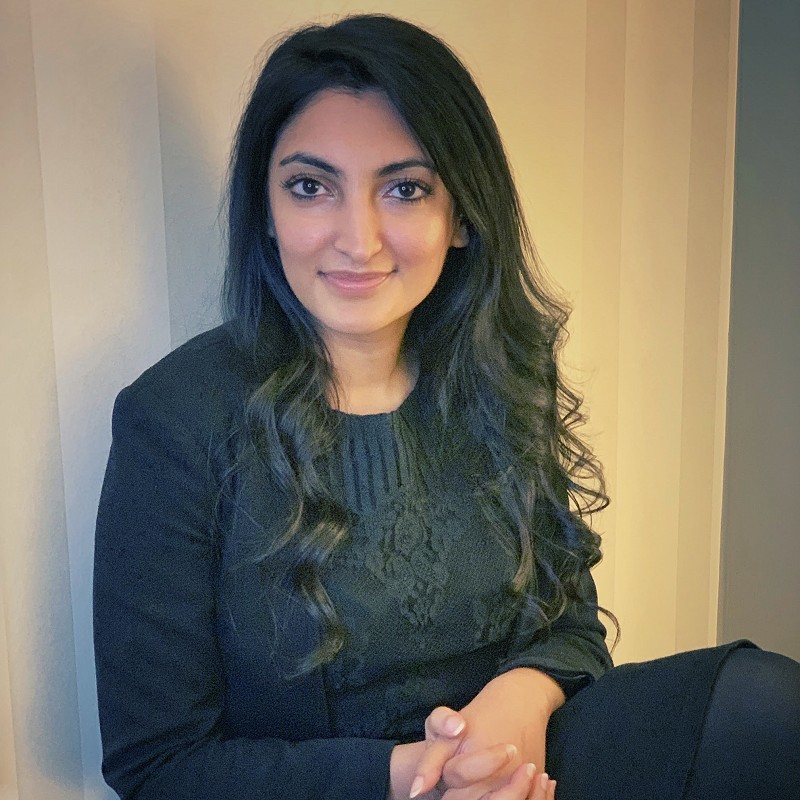
Thinker, lover, highly-sensitive person
What quote/concept has had the biggest impact on how you think about/do equity?
“This moment of global inequality demands imcompetent subjects. The status quo and ever-intensifying versions of it require incompetent consumers who will learn to want technological solutions to their political problems. Are you starving even though there is food? Here is an app to connect you with the charity that is filling that hole in our ragged social safety net. Are global profits being extracted by the financial class while driving down wages and quality of work, even for people with expensive college educations? Here is a website where you can purchase a credential that might help you get a new job, one where you will likely be in the same position again in eighteen months. Your structural incompetence generates ever more sophisticated consumption goods, goods that reinforce status games of who is deserving and who is not.” From the chapter Dying to be Competent” in Dr. Tressie McMillam Cottom’s book, “Thick”
What is the most important lesson you've learned so far through your equity work?
There is tremendous healing and real change to be had -- a lot more than I once believed -- by first appreciating the holistic picture of ideological, systemic, institutional, and individual forces described in Dr. Cottom’s quotation above, and then taking an iterative, experimental approach towards shifting it (while taking reasonably good care of yourself as a human being). And so, that means there is hope in the face of powerlessness, and we should not despise small beginnings.
What is the problem you're most dedicated to trying to solve?
Given my psychology background, I believe neuroplasticity -- the in-built ability of the human brain to change significantly in response to new stimuli -- is a key force to be leveraged in the endeavor for greater equity. Engendering new and better habits, perspectives, and behaviors in myself and other people is a goal of mine, and I believe compassion, empathy, and relationships are our conduits to getting there.
Something fun:
I’ve been doing stand-up for two years, and I would describe my comedy as what happens when a clickbait article and a scholarly journal have a baby -- equal parts high-brow and cringe-worthy, and [hopefully] always in the service of some greater subversive point I’m trying to make.